Cloth AI
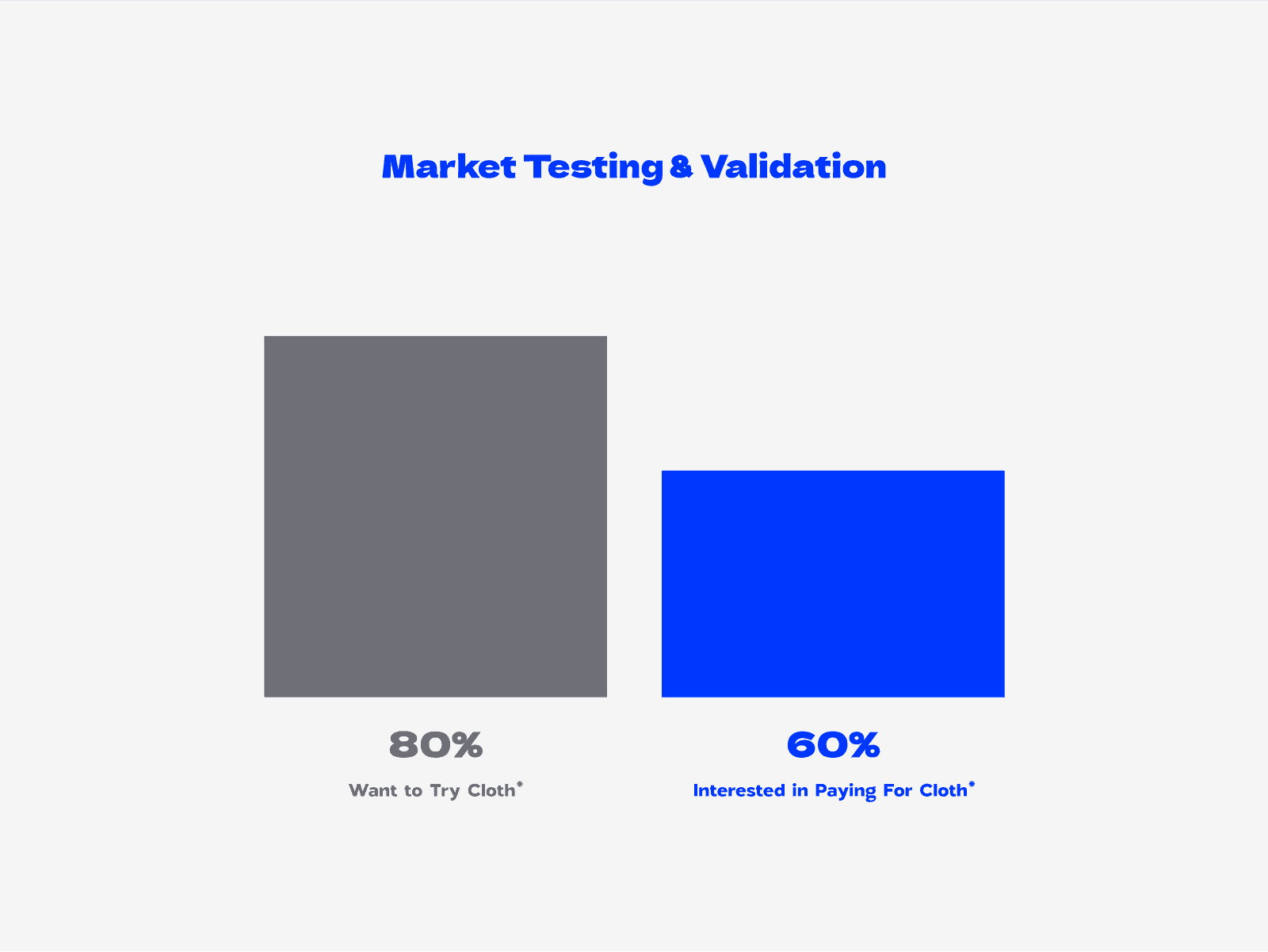
A startup initiative to reimagine how we shop for clothes — 10.7% conversion rate, 80% eager to try app, 60% comfortable paying subscription.
Client
Cloth AI (myself)
Industry
AI, Fashion
Duration
2 months
Results
📈 10.7% conversion rate on fake door marketing site
📱 80% (12 of 15) eager to try app
💳 60% (9 of 15) comfortable paying subscription
See The Cloth Prototype
The Problem
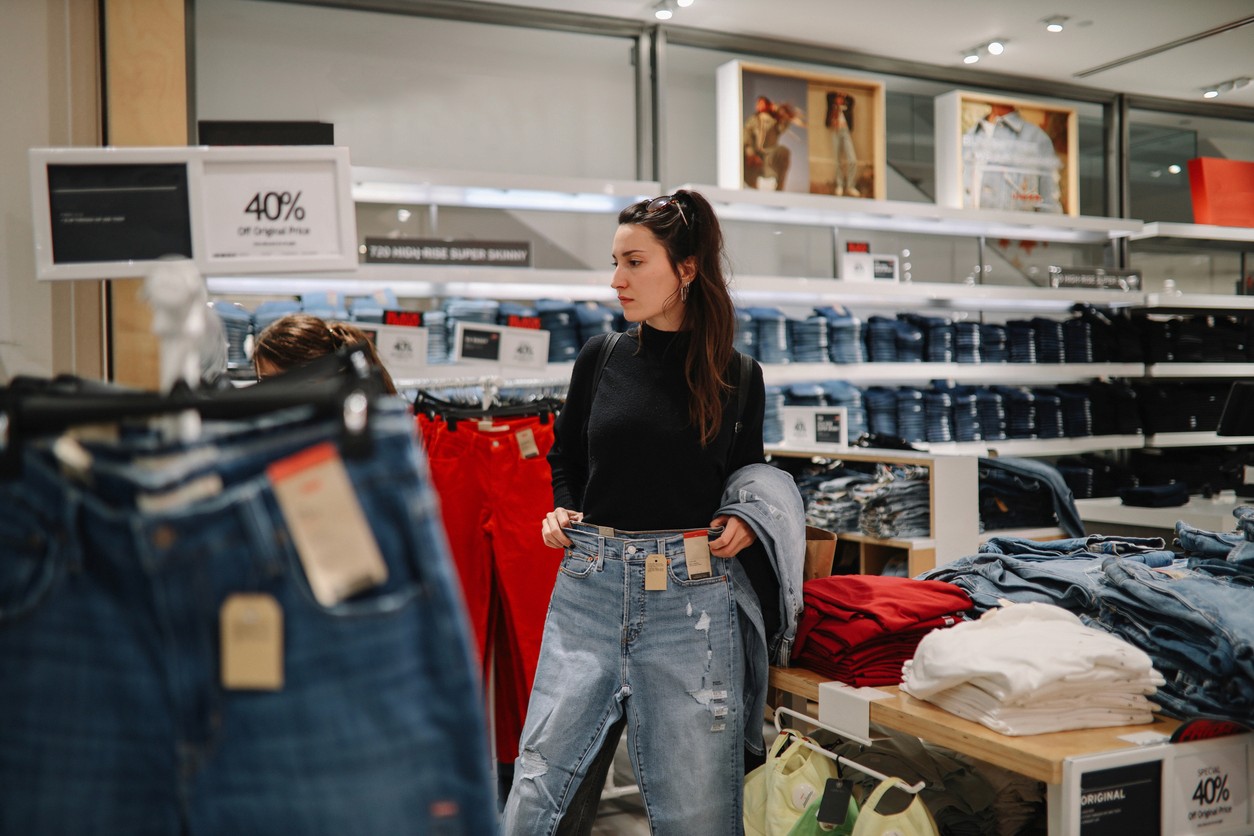
Shopping has always been a struggle for me. Wasting hours at a mall sifting through clothes only to end up with pretzel bites is a defeating feeling (the pretzels rocked, though). Thankfully, I'm not alone in this.
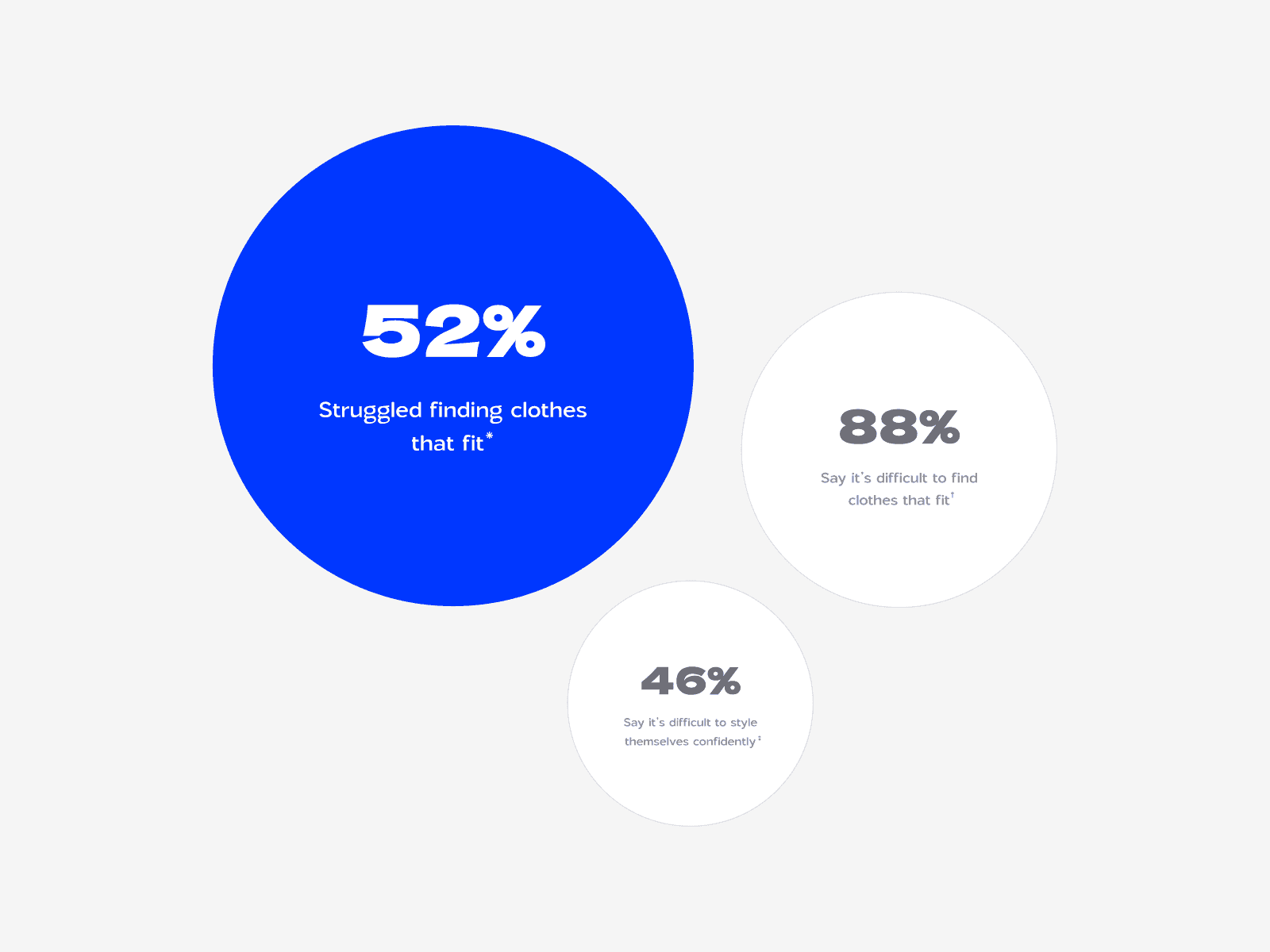
Based off a NYP poll in 2022, 52% of americans struggle finding clothes that fit. That's millions of people. But in my experience, fit was only half the battle. I not only needed clothes that fit, but also that matched my skin tone, complemented my features, and worked with the other clothes I had on. To see if others had the same issues, I had to talk to real people.
The Discovery
Within my network, I spoke with five people to better understand their shopping experiences. What I found was consistent: shopping felt like a time-consuming gamble, requiring commitment most can't afford. Most didn't even want to shop and felt it was a necessary evil. It got me thinking. What if you didn't have to shop at all? What if someone or some "thing" could do it for you?
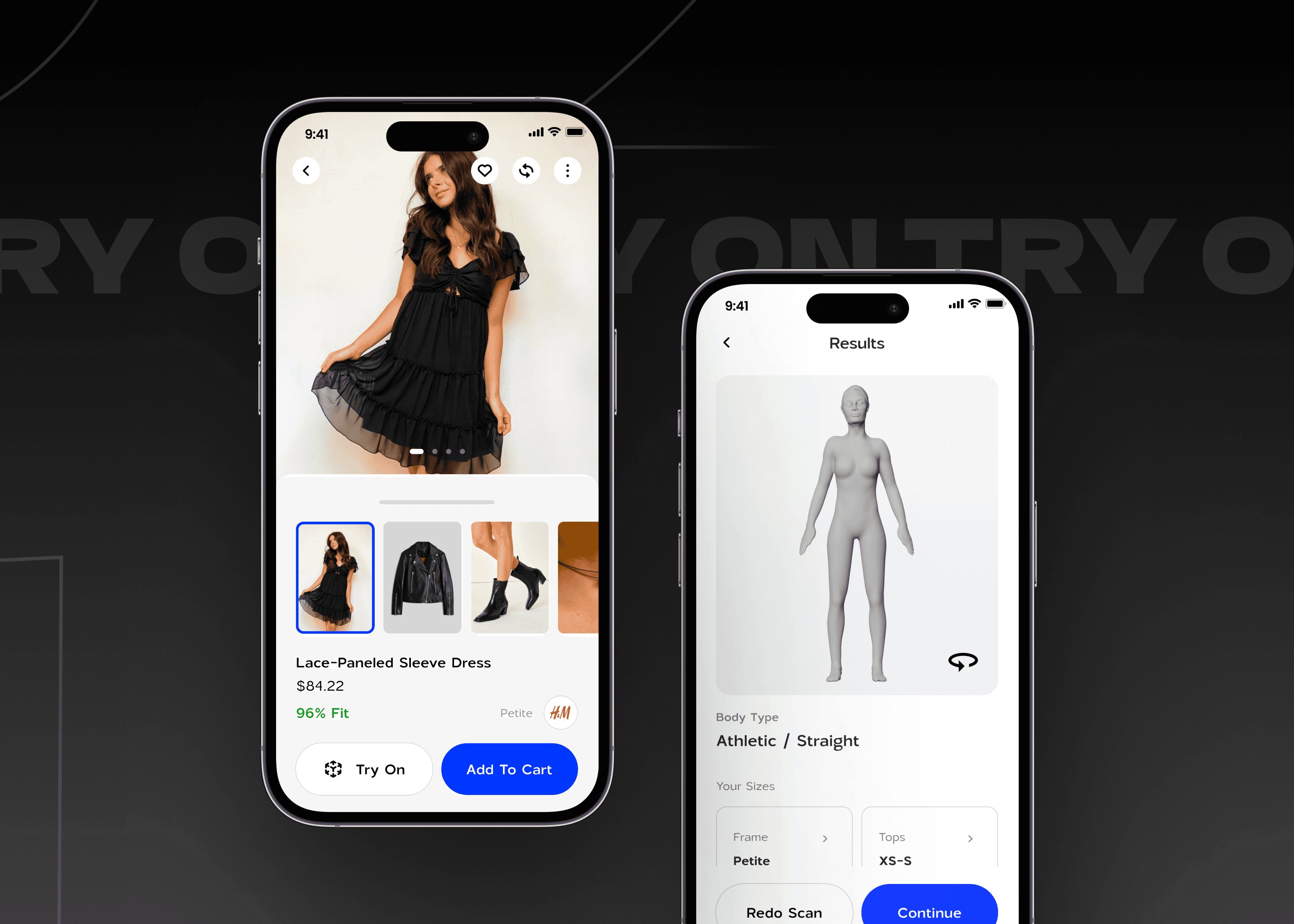
At the end of the interviews, I pitched this concept idea to each participant —A virtual stylist that did the shopping for you by understanding your body type and preferences. Everyone was interested. Some even said they were willing to pay. I was ecstatic, but I couldn't rely on 5 people telling me my idea was great. I needed unbiased data.
The Demand Test
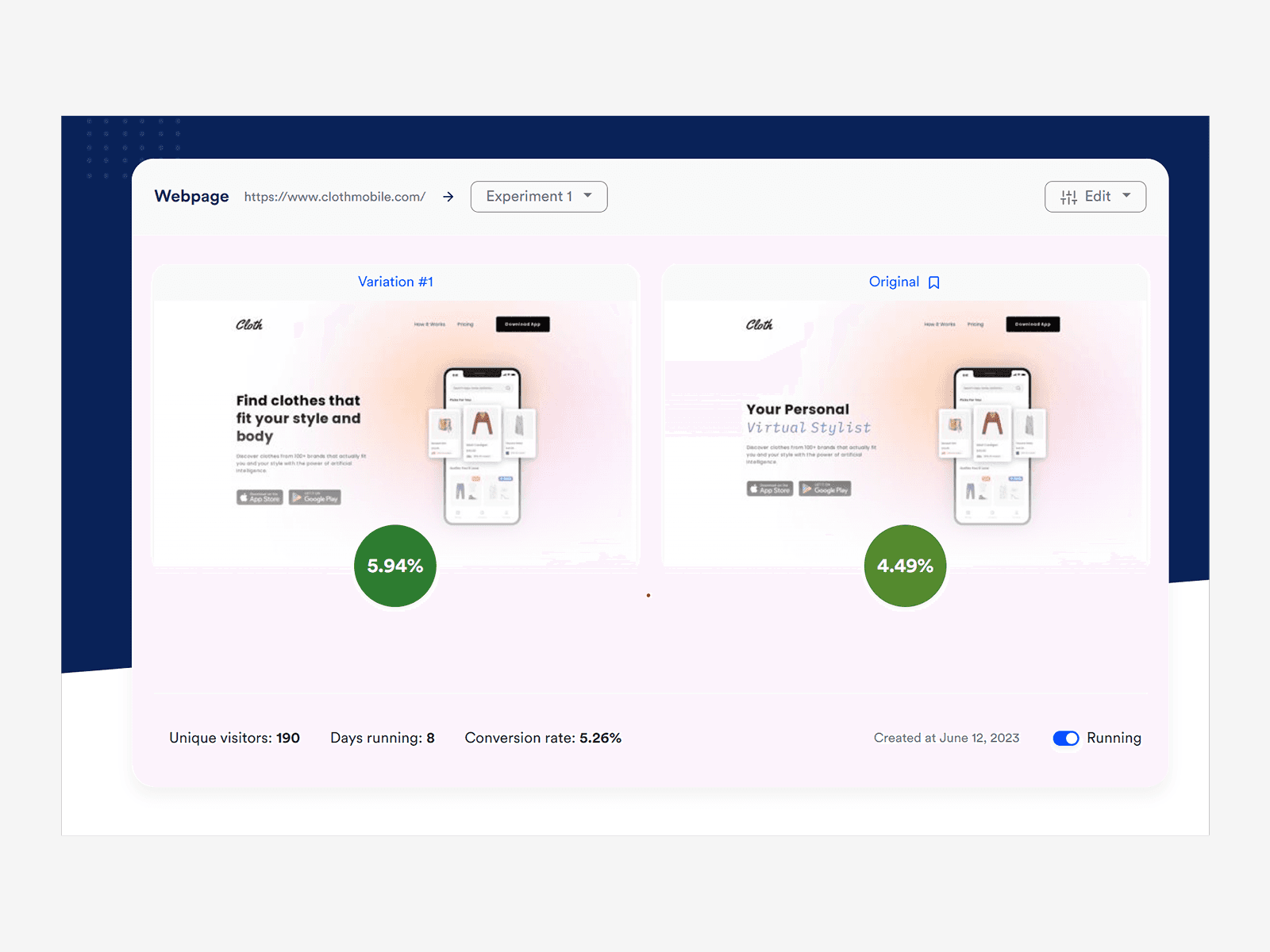
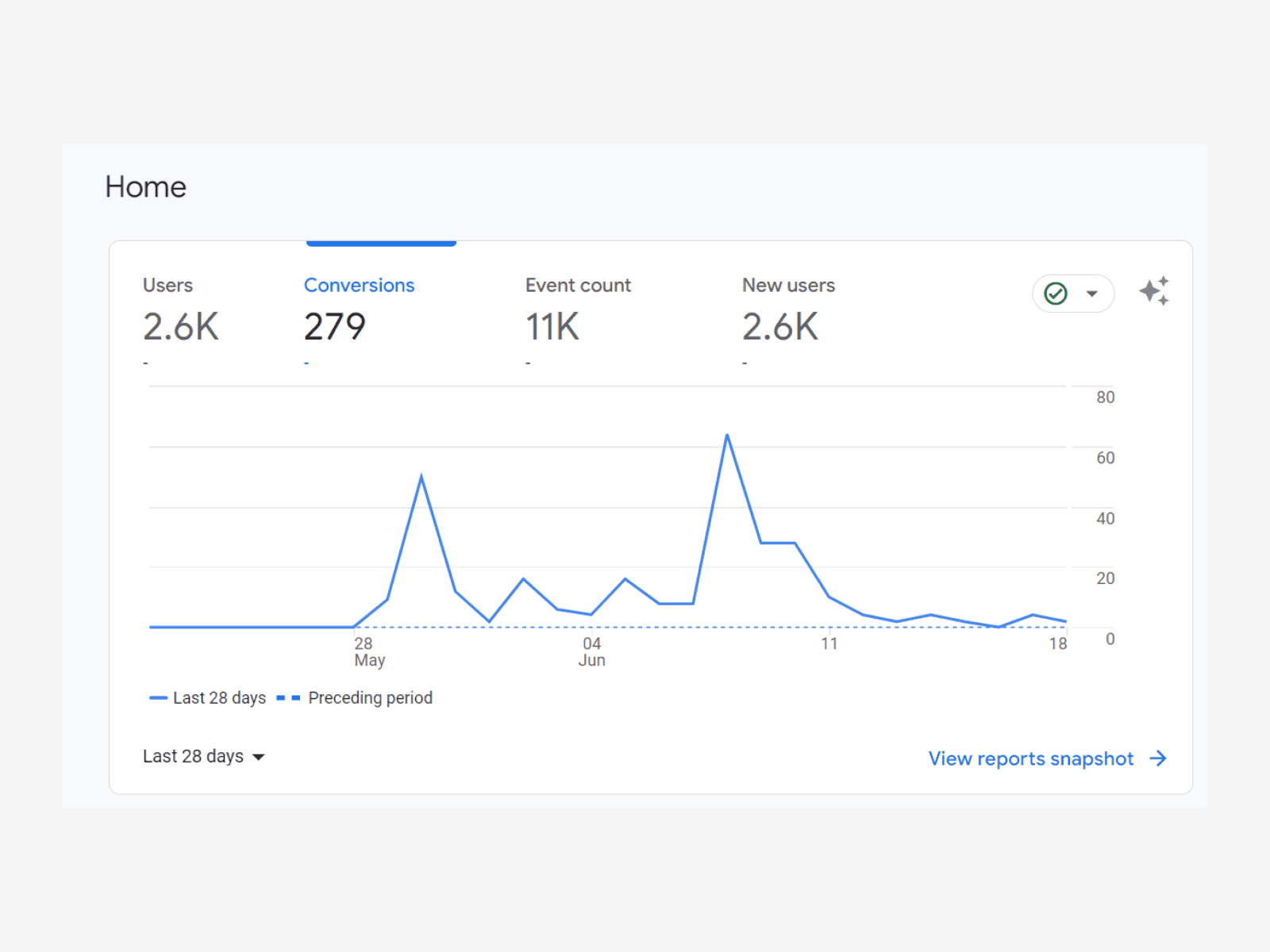
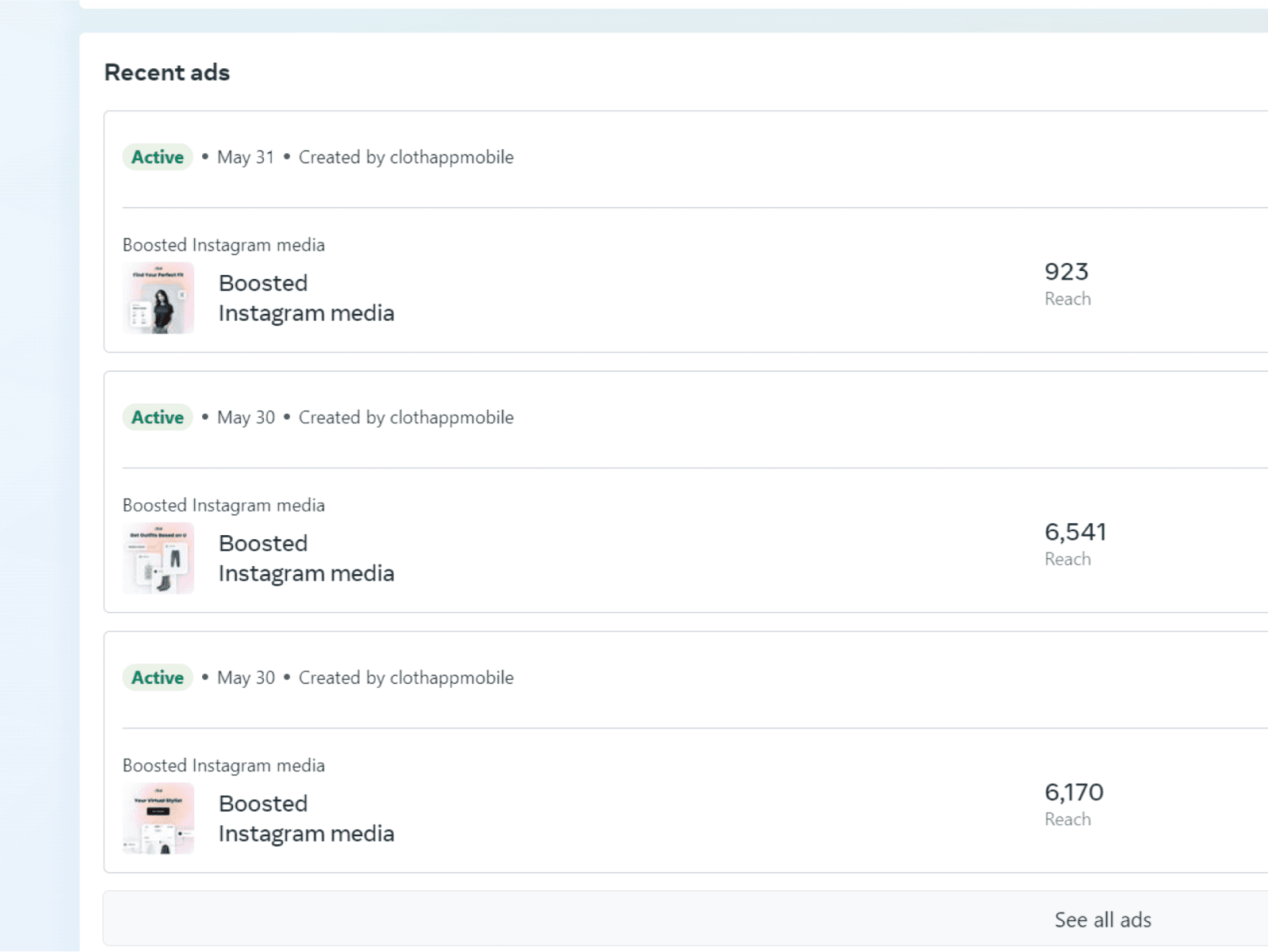
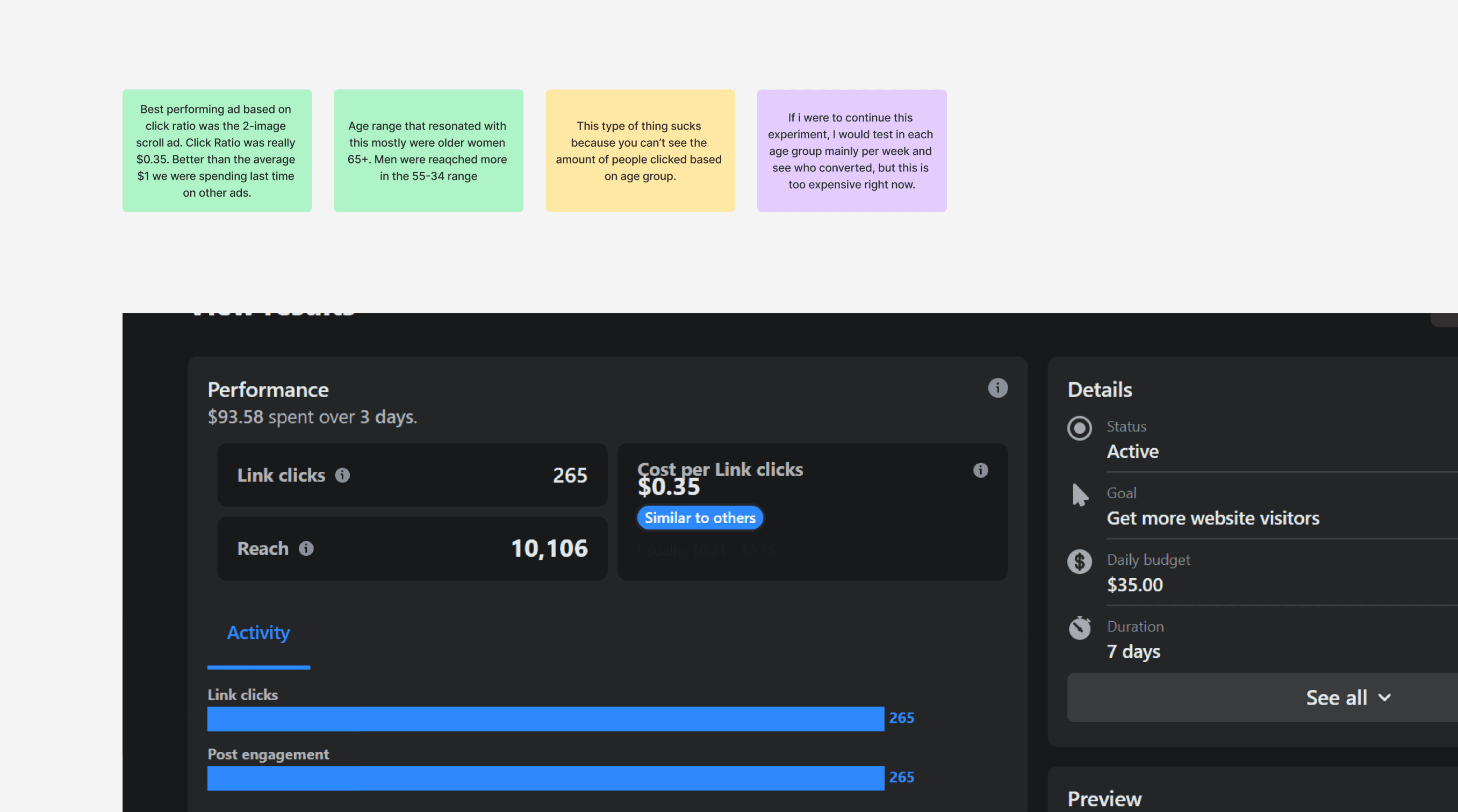
To get unbiased data, I created a "fake door" landing page with one goal. Convince people this was a real product and see if they clicked "download app". This would tell me if there was demand for this idea. Ads were pushed to various social media platforms to get traffic into the site. After 3 weeks of testing with 2600 users, I garned a 10.73% conversion rate. Enough to tell me there was strong interest.
📈 2,600 visitors in 3 weeks
✅ 10.7% conversation rate — clicked "Download App"
✍️ 11 signups for waitlist
Designing & Recruiting
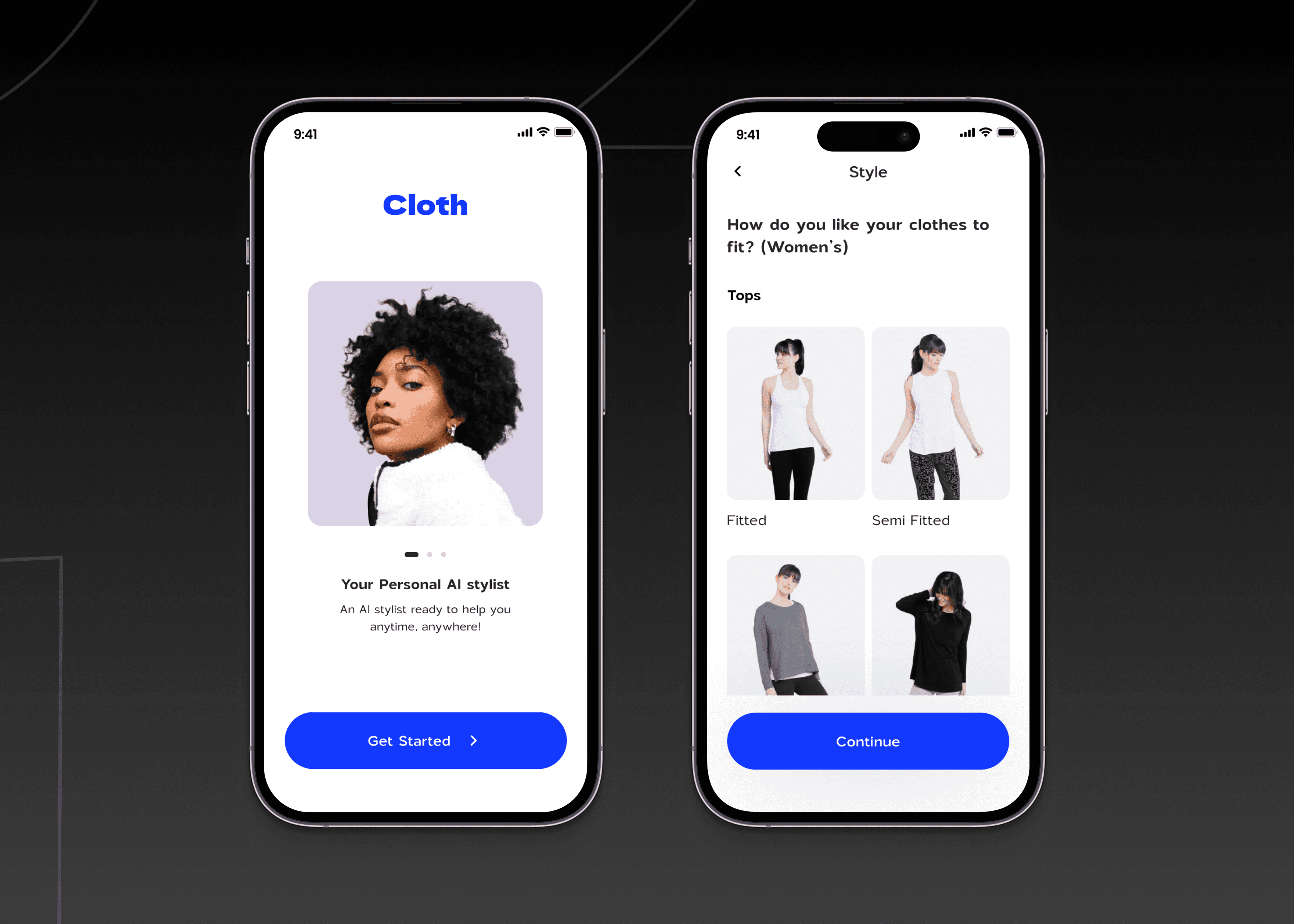
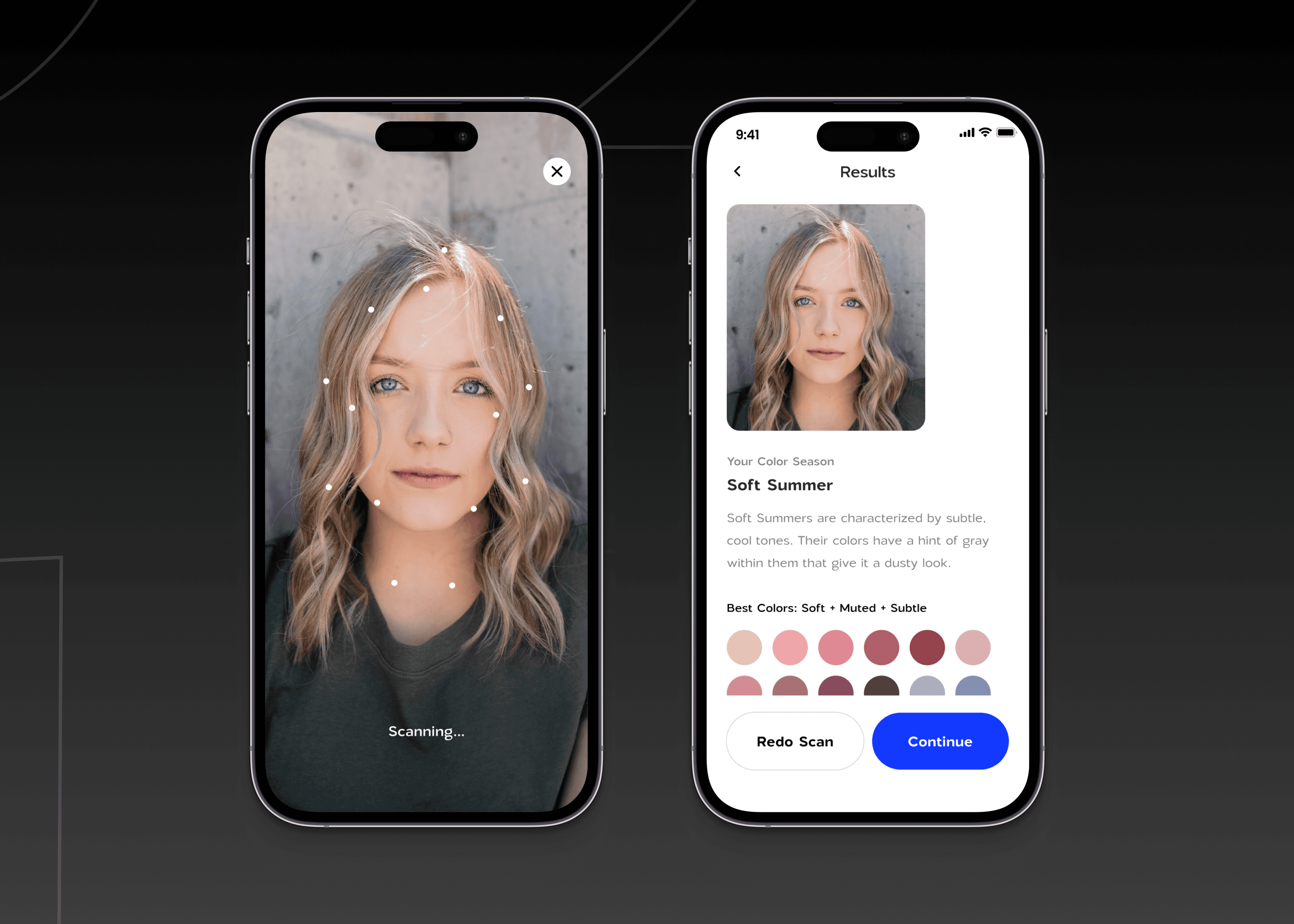
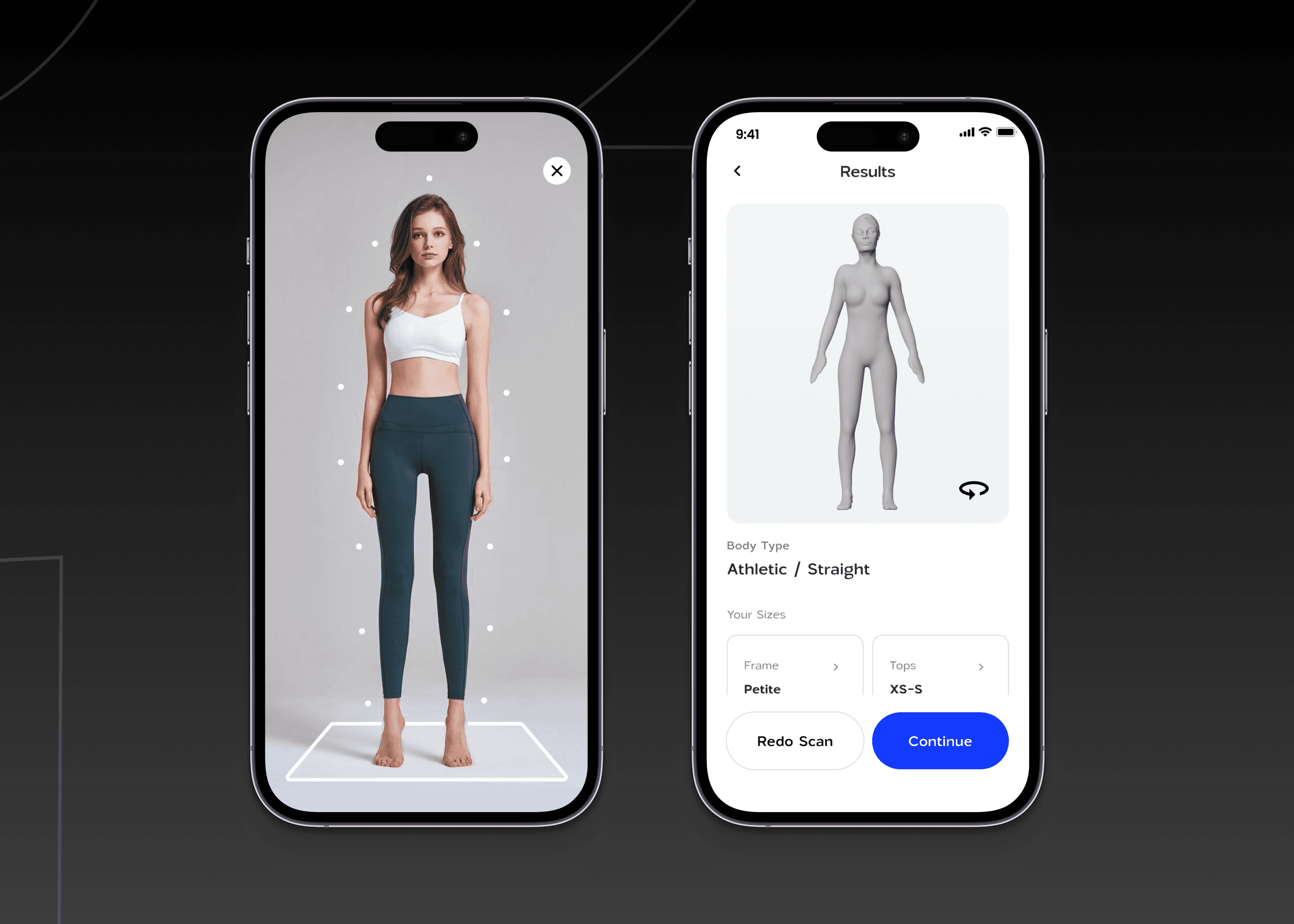
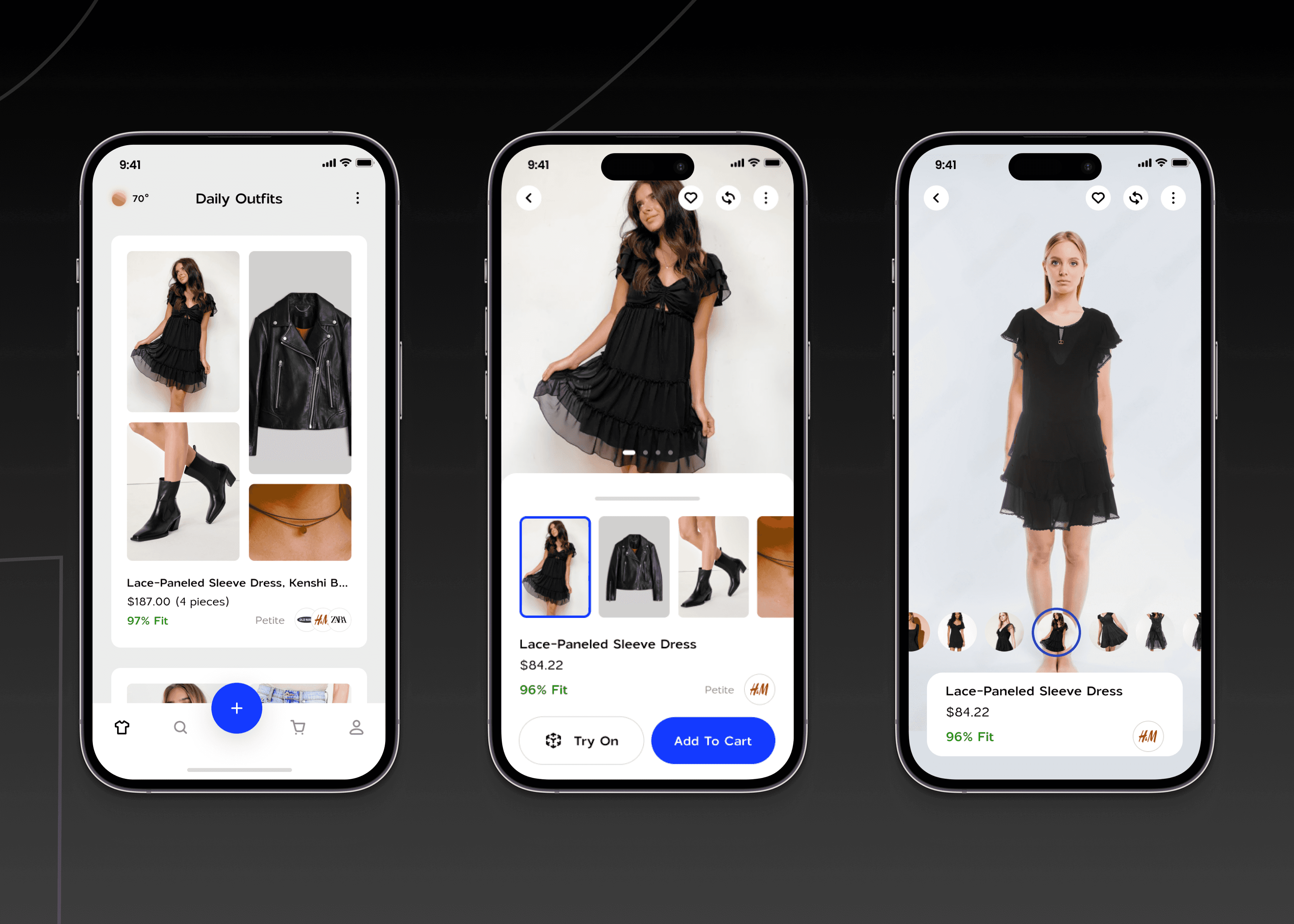
The demand was clear, so I didn't waste any time getting to work on running through various flows and prototype concepts. The idea of this experience was to first capture my user's preferences using a quiz format and then translate their data into an output of clothing recommendations. This process would only take a few minutes to capture their body type, skin tone, style, and fit preferences. No more having to guess what looks good and spend hours in a store as the virtual stylist will do all the work for you.
Meanwhile, I ran ads to recruit prototype testers and offered a reward for their time. It was challenging to find genuine testers and not just money grabbers, so I tightened up my screener to improve the quality of my participants.
The User Test & Results
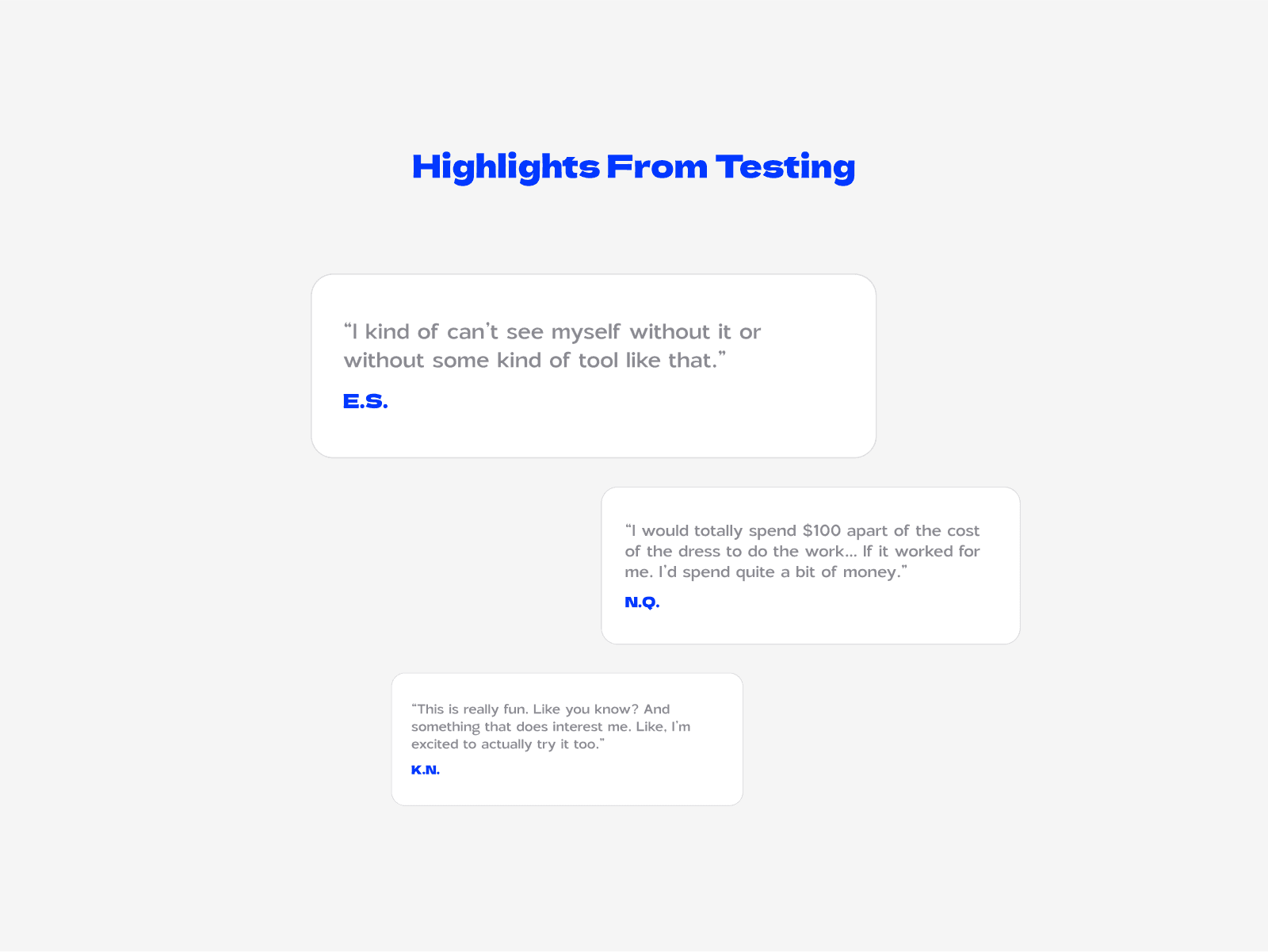
15 users walked through the prototype and the overall reception was very positive. 80% said they wanted to try Cloth. 60% said they'd be willing to pay for it. Some even asked for a release date. All great signals, but I knew that true adoption would all be dependant on the accuracy of the body scanning technology and the recommendation algorithm.
💬 80% wanted to use Cloth.
💳 60% said they'd pay. (if the body scan & algorithm worked)
See The Cloth Prototype
One of many users giving their overall thoughts on Cloth. Permission granted to share publicly.